
For attorneys
Independent valuation support
Estate, matrimonial and litigation assignments across Northern and Central New Jersey. Written to survive the review they are going to get.
- Fee
- Quoted on request flat for a single-family residence, any size
- Turnaround
- 5 to 7 business days from inspection, rush available
- Delivery
- To counsel, the client, or both, as the engagement names
- Testimony
- Engaged and quoted separately from the appraisal
What this practice is
A residential appraisal practice built around assignments where the valuation is contested or reviewed. The effective date is chosen to suit the matter rather than defaulting to today, and scheduling is not queued behind anyone else’s volume.
Reports are prepared in conformity with USPAP. The appraiser who inspects the property is the appraiser who signs the certification and answers questions about it afterwards, relevant when a particular adjustment needs explaining eighteen months later.
Scope by matter type
The effective date differs by matter and is the thing most often ordered wrongly. Each of these states which date applies and what the report is built to support.
- Estate and date-of-death
- Effective date is the date of death. Retrospective analysis built from sales contemporaneous with that date, not trended back from today. Written to support the NJ inheritance tax return and, where required, Form 706, and to establish the beneficiaries' stepped-up basis under IRC §1014.
- Equitable distribution
- Effective date supplied by counsel, because it is a legal determination and not the appraiser's to pick. Engagement can be joint or single-party; the analysis is identical either way. Where the date is still contested, the engagement can be written to add a second effective date at reduced cost rather than duplicating the assignment.
- Litigation generally
- Partition, dissolution, boundary and easement disputes, casualty claims, bankruptcy schedules. Scope of work set against the intended use and stated in the report. Every adjustment individually defensible, because that is how each will be attacked.
- Gift reporting
- Effective date is the date of the gift. Prepared to the standard that supports adequate disclosure on Form 709, which is what starts the three-year limitations period running and stops the value being reopenable indefinitely.
- Tax appeal
- Effective date is October 1 of the pre-tax year. Value stated so it can be tested directly against the assessment under the Chapter 123 Common Level Range, including where that test produces no reduction.
Independence, stated plainly
The USPAP ETHICS RULE requires impartiality, objectivity and independence, and prohibits accommodating the interests of any party, including whoever is paying. In practice that means:
- No fee contingent on the value reached, the direction of the opinion, or the outcome of the matter.
- No advocacy. The analysis can be explained and defended; your case cannot be argued from the witness box by an appraiser.
- No taking both appraisal and brokerage capacity on the same property. One capacity per matter, and the brokerage option is offered before an appraisal assignment is accepted, never after.
These are the questions opposing counsel asks first, so they are answered here rather than discovered later.
On testimony
Deposition and testimony are engaged and quoted separately from the appraisal. Raise it early rather than when it becomes urgent, because availability is usually the binding constraint.
Whether any particular appraiser is qualified as an expert in a particular matter is a determination for the court, made on the record in that case. No appraiser can promise it in advance, and a practice that advertises otherwise is telling you something about how it treats claims generally.
What goes in the file
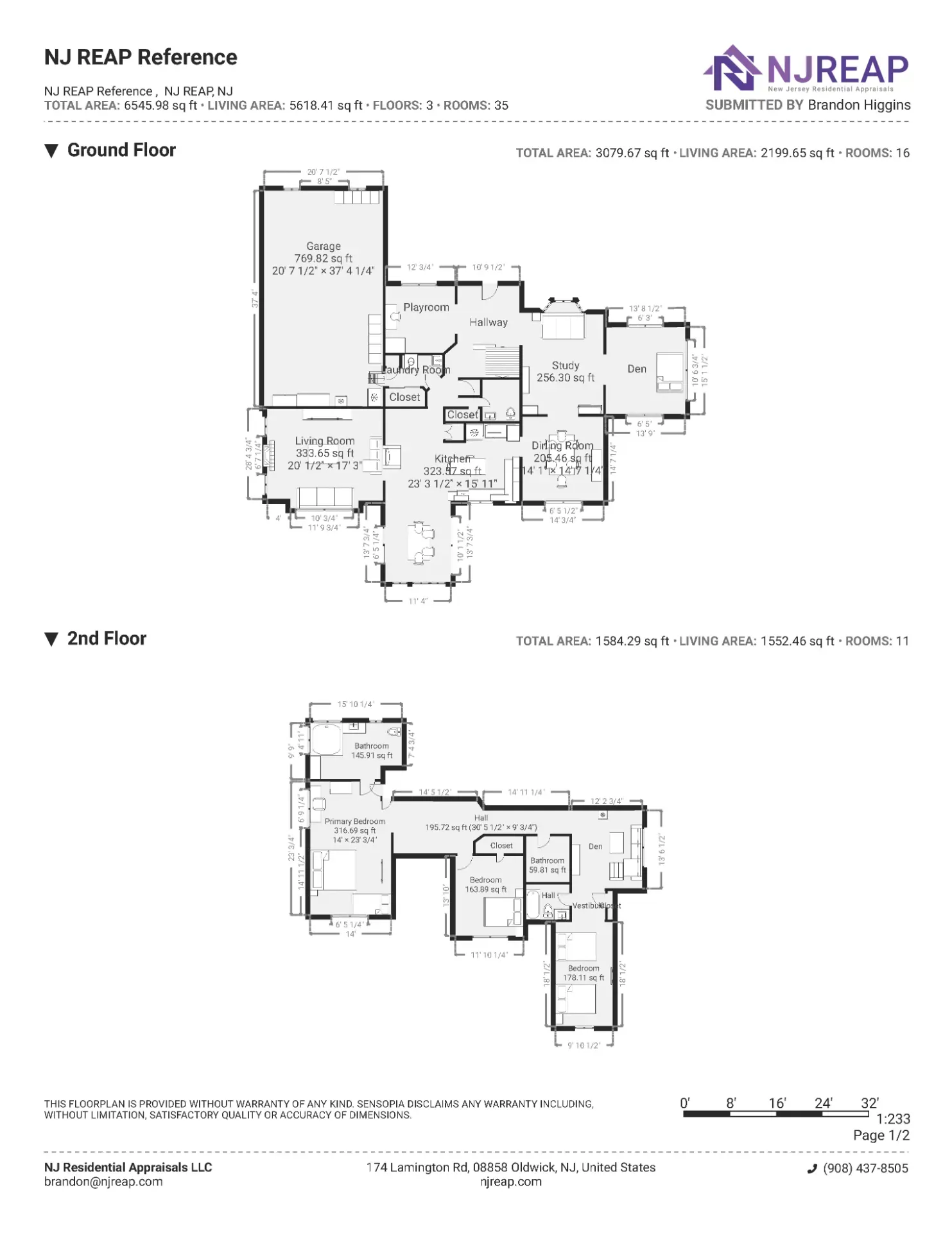
The report carries the measurement, the comparable sales with the adjustments shown, and the reasoning that connects them to the conclusion. Adjustments are set out rather than summarized, so the arithmetic can be followed by someone who wants to disagree with it.
Living area is measured on site. Where it differs from the assessment record, and on older housing stock it often does, the report says so and shows both, because the discrepancy is frequently the point.
FAQ
What counsel usually asks
Can you take instruction from both parties?
Yes. A joint engagement, a single joint expert, is usually cheaper and produces one number both sides are working from, which removes an entire category of argument. Where each side retains separately, the analysis does not change: the USPAP ETHICS RULE requires impartiality and independence regardless of who engages or pays. What retention determines is who the client is and who may receive the report.
What do you need from us to start?
The intended use and the intended users, because USPAP requires both to be identified before scope is set. The effective date, or confirmation that it is still contested. Access arrangements. Any discovery or filing deadline. And any prior appraisal of the property, including one you would rather we did not see, which is usually the one that matters most.
Will you produce a report limited in scope to control cost?
Scope can be tailored and must then be disclosed in the report. What cannot happen is a narrowed scope that goes unstated, because that is precisely what opposing counsel will find. If the budget is constrained, say so and you will get an honest answer about whether the remaining scope still supports the intended use, or whether it does not.
How is confidentiality handled?
The USPAP ETHICS RULE imposes a confidentiality obligation covering assignment results and confidential information. The report goes to the intended users named in the engagement and to nobody else without written instruction. That includes not confirming to a third party that an assignment exists.
What are your fee terms in a contested matter?
Fixed and agreed in writing before work starts. Never contingent on the value reached, on the direction of the opinion, or on the outcome of the matter, all of which are prohibited and all of which opposing counsel will ask about. Deposition and testimony are engaged and quoted separately from the appraisal.
What clients say
Read these on Google-
5 out of 5 stars
We had a great experience with NJREAP, Brandon was very professional, prompt and efficient. He supplied us with a very detailed appraisal with more information than I ever could have imagined, and much more quickly than I expected. I'd definitely recommend.
Sean Moran · via Google -
5 out of 5 stars
I recently worked with NJREAP and was thoroughly impressed. Throughout the process, he was professional, courteous, and genuinely kind. The photos he took of my home, both inside and out, were top-notch and captured every detail perfectly. He made everything easy and stress-free. I highly recommend them!
Rebecca Alina · via Google
Next step
Send the matter type and the deadline
You will get scope, fee and turnaround in writing. If an appraisal is not the right instrument, or a different effective date is, you will hear that first.